

Summary
Costa Rica offers a wide variety of scuba diving environments, but the North Pacific coast of Guanacaste is particularly well positioned for divers staying near Playas del Coco. From local volcanic reefs in the Gulf of Papagayo to day trips to the Catalina Islands and seasonal diving at the Bat Islands, the region combines accessible diving with encounters with rays, sharks, turtles and large schools of fish.
This guide explains the main scuba diving areas in Guanacaste, what makes each destination different and how they compare with other well-known Costa Rican destinations such as Caño Island and Cocos Island.
Written and reviewed by Álvaro Alvarado, Professional PADI Divemaster since 2015.
Costa Rica is known for its biodiversity on land, but the Pacific coast also offers a very different world below the surface. In Guanacaste, scuba diving is shaped by volcanic rock formations, seasonal ocean conditions and nutrient-rich waters that attract a wide variety of marine life.
For travelers staying in northern Costa Rica, Playas del Coco is one of the main starting points for diving in Guanacaste. From here, divers can access local sites throughout the Gulf of Papagayo and travel farther offshore to destinations such as the Catalina Islands and Bat Islands.
Scuba Diving in Guanacaste, Costa Rica
Guanacaste occupies much of Costa Rica’s North Pacific coast and includes several of the country’s most recognizable diving areas. Unlike destinations dominated by tropical coral reefs, much of the diving here takes place around volcanic rock formations, pinnacles, walls and offshore islands.
The principal areas accessible from Playas del Coco include:
- Gulf of Papagayo: local dive sites with volcanic formations, rays, reef sharks, turtles and large schools of fish.
- Catalina Islands: an offshore destination known particularly for rays and seasonal encounters with giant manta rays.
- Bat Islands: a more remote destination in northern Guanacaste, best known for advanced diving and encounters with bull sharks.
The experience can vary significantly between these areas, which is why it is useful to understand each destination separately rather than treating all scuba diving in Costa Rica as the same type of trip.
Diving in the Gulf of Papagayo
The Gulf of Papagayo is the closest major diving area to Playas del Coco and offers a large number of sites spread throughout the gulf. These dives typically take place around volcanic rock structures rather than extensive coral reefs, creating walls, channels and rocky formations that provide habitat for a wide variety of marine species.
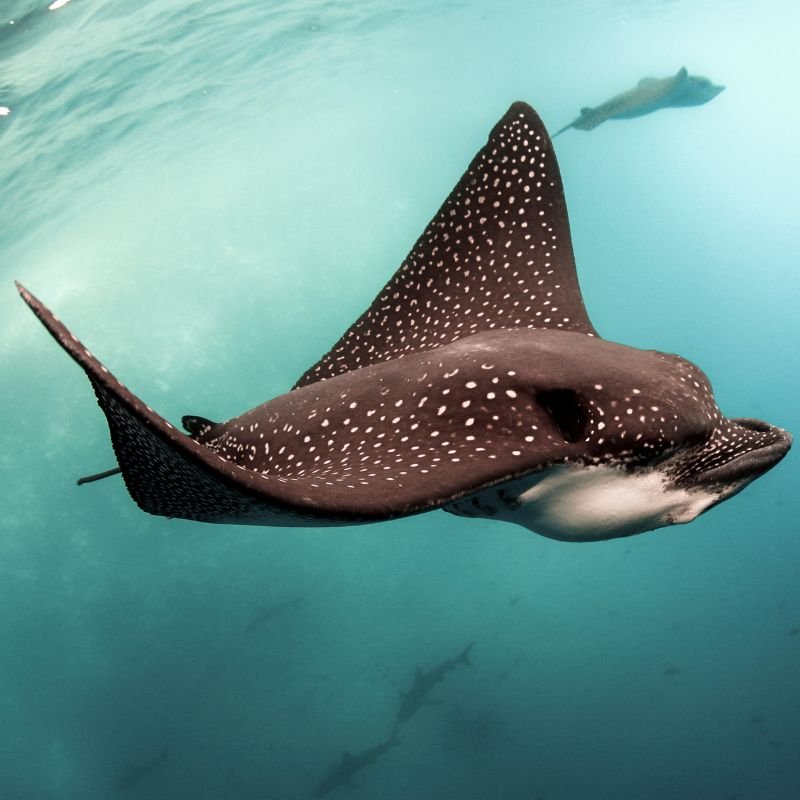
Depending on the site and conditions, divers may encounter spotted eagle rays, whitetip reef sharks, moray eels, turtles, octopus, pufferfish and large schools of jacks and other Pacific fish. Conditions vary throughout the year and even between sites on the same day, so local knowledge plays an important role in selecting the most appropriate dive location.
Sorpresa
Sorpresa — meaning “Surprise” in Spanish — is one of the dive sites in the Papagayo area where marine encounters can change considerably from one dive to another. Volcanic formations create shelter for reef species, while open-water sections may attract rays, sharks and large schools of fish.
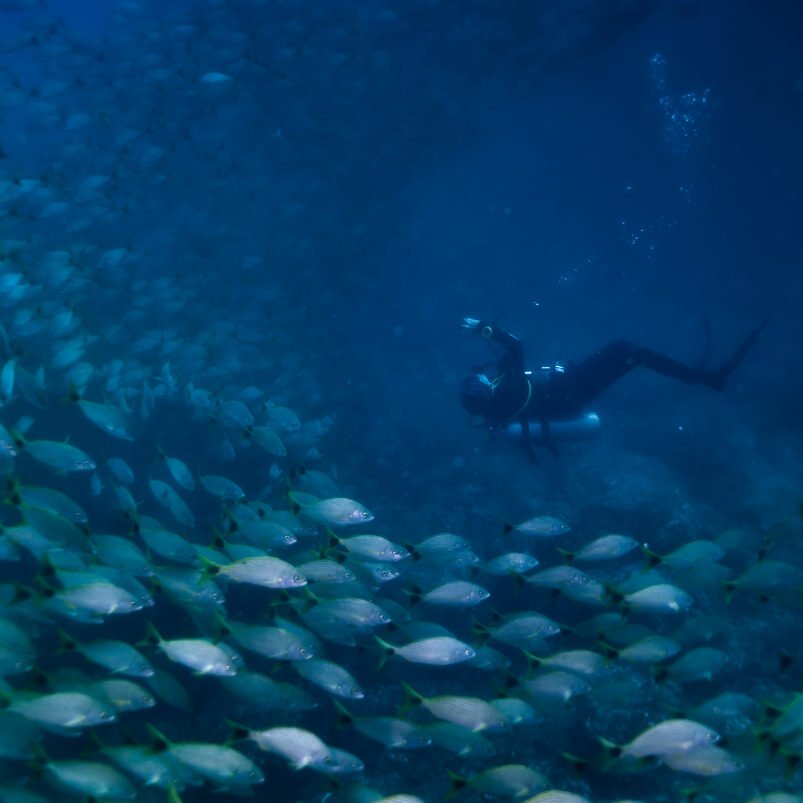
Virador
Virador is another well-known dive site in the Gulf of Papagayo. Its rocky underwater terrain can attract eagle rays, reef fish and other larger marine species. As with many sites in Guanacaste, visibility, current and marine activity vary according to ocean conditions.
Because there are many different sites around the gulf, dive locations can be selected according to weather, currents, visibility and the experience of the group. This makes Papagayo an important option for both recently certified divers and experienced divers looking for regular diving during their stay in Guanacaste.
If you are considering diving in this area, explore our Gulf of Papagayo diving options, including more information about the experience and the dive sites we visit from Playas del Coco.
Diving at the Catalina Islands
The Catalina Islands are a group of rocky islands off the coast of Guanacaste. They are one of the best-known offshore diving areas in northern Costa Rica and are particularly associated with encounters with rays and other larger marine species.

The islands can offer encounters with spotted eagle rays, whitetip reef sharks, turtles, large schools of fish and giant manta rays. Manta encounters are seasonal and can never be guaranteed, but they are one of the principal reasons divers associate the Catalina Islands with larger pelagic marine life.
Conditions can vary considerably. Some sites are accessible to Open Water divers, while deeper areas or stronger currents may be better suited to divers with greater experience. The specific dive sites used on any given trip therefore depend on conditions and the profile of the group.
The boat journey itself also provides a chance to observe Guanacaste’s coastline and, depending on the season and luck, marine mammals may occasionally be seen at the surface.

If you are interested in visiting this destination, explore our Catalina Islands diving experience for information about diving the islands with Life & Dive. For more information specifically about the wildlife, you can also read our article about diving with giant manta rays in Costa Rica.
Diving at the Bat Islands
The Murciélago Islands, commonly known as the Bat Islands, are located farther north near Santa Rosa National Park. They are considerably more remote than the local Papagayo dive sites and are known for stronger conditions and encounters with larger pelagic species.
Amazing school of Jacks in Black Rock
The best-known dive associated with the area is Big Scare, which is famous for encounters with bull sharks. Other sites around the Bat Islands may offer large schools of jacks, rays, groupers and other marine life.
Because this area is exposed to more demanding conditions, Bat Islands diving is generally most appropriate for experienced divers who are comfortable with current, deeper profiles and blue-water conditions. Certification and experience requirements can also depend on the particular site and conditions on the day.
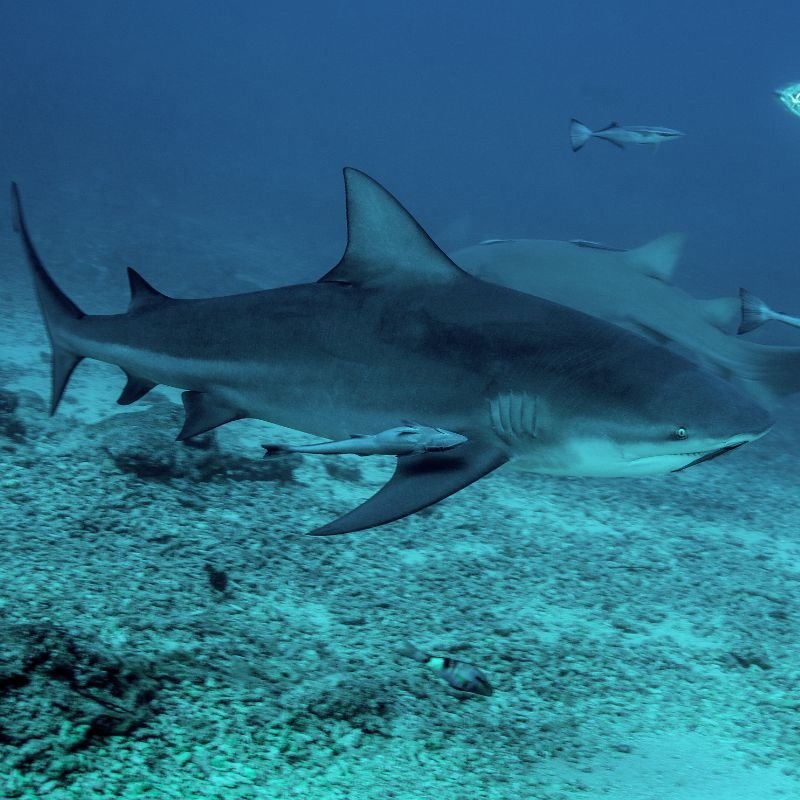
Bull Sharks doing their thing
If you are considering this dive, explore our Bat Islands diving experience for information about diving this destination with Life & Dive. If you want to understand more about the animals themselves, read our article about diving with bull sharks.
How Do Guanacaste Dive Areas Compare?
Each of the main diving areas around Guanacaste offers a different type of experience:
- Gulf of Papagayo: the most flexible option for regular day diving from Playas del Coco, with many different dive sites and conditions suitable for a broad range of certified divers.
- Catalina Islands: an offshore trip focused on larger rock formations and the possibility of encounters with rays and other pelagic species.
- Bat Islands: a more remote and demanding destination, particularly associated with bull shark encounters and experienced divers.
Rather than one destination being universally “better” than another, the best choice depends on your certification, experience, the season, ocean conditions and the type of marine life you are hoping to encounter.
Other Scuba Diving Destinations in Costa Rica
Guanacaste is only one of Costa Rica’s diving regions. Divers planning a longer trip may also encounter references to destinations farther south or much farther offshore.
Diving at Caño Island
Located off Costa Rica’s southern Pacific coast, Caño Island is a protected marine destination known for clear water, reef fish, turtles, rays and reef sharks. Its location means it is not a practical day trip from Playas del Coco and should be considered a separate Costa Rican diving region rather than part of a Guanacaste itinerary.
Life & Dive does not currently operate diving trips to Caño Island. Divers interested in the area should arrange the experience with an operator based closer to Costa Rica’s South Pacific coast.
Diving at Cocos Island
Cocos Island is fundamentally different from day diving in Guanacaste. Located hundreds of kilometers offshore, the island is normally visited by liveaboard and is known internationally for encounters with hammerhead sharks and other large pelagic species.
Because of the remote location, currents and style of diving, a Cocos Island trip is better understood as a dedicated diving expedition rather than an excursion that can be added to a normal stay in Playas del Coco. Life & Dive does not currently operate trips to Cocos Island.

Hammerhead Shark
Planning a Scuba Diving Trip to Guanacaste
When deciding where and when to dive in Guanacaste, several factors are more useful than simply choosing the destination with the most famous marine species.
- Certification and experience: local Papagayo sites offer more flexibility, while some offshore dives require greater comfort with current and deeper profiles.
- Season: marine encounters and surface conditions vary throughout the year.
- Weather and wind: these can affect which offshore destinations are accessible on a particular day.
- Marine-life priorities: a diver interested in bull sharks may plan differently from someone primarily interested in rays, turtles or relaxed local diving.
- Length of stay: having several available dive days gives more flexibility when conditions change.
For this reason, many divers base themselves in Playas del Coco and combine local diving in Papagayo with one or more offshore trips when conditions allow.
Group Diving Trips and Expeditions in Guanacaste
In addition to individual travelers, Guanacaste also receives organized groups of divers who travel specifically to experience Costa Rica’s Pacific diving. These trips may combine several days of diving around Papagayo with offshore destinations such as the Catalina Islands or Bat Islands.
Life & Dive has hosted international groups and dive centers visiting Costa Rica, including teams from Chile and other countries.
Dive Spot
Dive Spot (Chile) has brought groups of divers to Costa Rica to explore destinations in northern Guanacaste, including the Catalina Islands and Bat Islands. These trips combined diving with the community experience of traveling as an organized group and discovering a different Pacific diving environment. Visit Dive Spot for information about their expeditions.

Austral Divers
Austral Divers (Chile) has also traveled to Costa Rica with groups of experienced divers. During its Guanacaste itinerary, the group focused on diving around the Catalina Islands and Gulf of Papagayo. Weather and seasonal conditions are an important part of expedition planning, so offshore destinations can change depending on what is realistically accessible during the visit. Visit Austral Divers to learn more about their diving activities and expeditions.

Combining Diving with Other Activities in Guanacaste
A diving trip to Guanacaste does not need to consist exclusively of days on the water. Many travelers combine diving with inland activities, particularly when staying in the region for a week or longer.
Popular options around Guanacaste include:
- Rincón de la Vieja National Park, with hiking, geothermal areas and hot springs.
- Tenorio Volcano National Park and Río Celeste, known for rainforest trails and the distinctive turquoise river.
- White-water rafting and other inland adventure activities.
- Wildlife and eco-tours throughout the region.
- Beaches, restaurants and nightlife in Playas del Coco between diving days.
These activities are particularly useful for groups that include non-divers or travelers who want to combine underwater experiences with Costa Rica’s terrestrial biodiversity.
Frequently Asked Questions About Scuba Diving in Guanacaste
Explore Scuba Diving from Playas del Coco
Life & Dive is based in Playas del Coco, Guanacaste, providing access to local diving in the Gulf of Papagayo as well as some of northern Costa Rica’s best-known diving destinations.
If you are already certified and ready to dive, explore our daily diving options from Playas del Coco. You can also discover our dedicated diving experiences in the Gulf of Papagayo, Catalina Islands and Bat Islands.
About the Author
This article was written and reviewed by Álvaro Alvarado, a PADI Divemaster with professional diving experience since 2015 and part of the Life & Dive team in Costa Rica.
Álvaro Alvarado
Life & Dive
alvaro@lifeandive.com